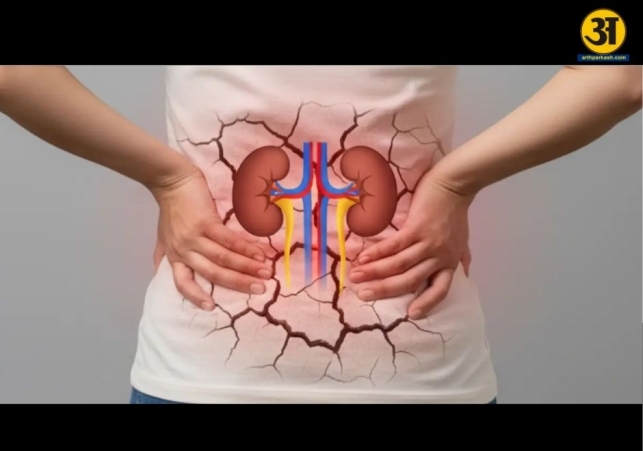
Don't ignore dehydration during the rainy season
Hidden dehydration during monsoon can silently harm your kidneys
Many people believe dehydration is only a problem during the hot summer months. As the monsoon arrives and temperatures become cooler, people naturally feel less thirsty and often drink less water. However, health experts warn that dehydration remains a serious concern during the rainy season and can silently affect kidney health if left unnoticed.
According to Dr Alok Kumar Pandey, Associate Director of Nephrology and Renal Transplant at Regency Health, Lucknow, dehydration during the monsoon often goes unnoticed because people do not realise they are losing fluids. High humidity, seasonal illnesses and reduced water intake can all contribute to dehydration, even when the weather feels pleasant.
The kidneys play a vital role in filtering waste products from the blood, maintaining the body's fluid balance and regulating important minerals. When the body does not receive enough water, the kidneys have to work harder, increasing the risk of kidney-related problems.
Unlike summer, where excessive heat reminds people to stay hydrated, monsoon dehydration develops quietly. Many people continue their daily routine without recognising the early signs until the condition begins affecting their health.
Why dehydration still happens during monsoon
Although rainfall brings cooler temperatures, humidity levels remain high during the monsoon. The body continues to lose water through sweating, but because sweat evaporates more slowly in humid weather, many people fail to notice how much fluid they are losing.
At the same time, people tend to drink less water simply because they do not feel thirsty. This combination of reduced fluid intake and ongoing fluid loss increases the risk of dehydration.
Seasonal illnesses also contribute to the problem. Viral infections, diarrhoea and vomiting are common during the rainy season and can lead to rapid loss of water and essential electrolytes. Unless these fluids are replaced quickly, dehydration may develop.
Dr Pandey explains that many people wrongly assume dehydration is no longer a concern once summer ends. In reality, high humidity, lower water intake and seasonal illnesses continue to increase the body's need for fluids.
The kidneys depend on an adequate blood supply to remove waste and maintain the body's normal fluid and electrolyte balance. When dehydration reduces blood volume, the body prioritises blood flow to essential organs such as the brain and heart. As a result, blood supply to the kidneys temporarily decreases.
Reduced circulation to the kidneys may lead to pre-renal acute kidney injury, especially in individuals who already have health problems. Dehydration also makes urine more concentrated, increasing the risk of kidney stones and urinary tract infections, both of which are commonly seen during the monsoon.
Protect your kidneys with simple habits
Although anyone can become dehydrated, certain groups are more vulnerable than others.
According to Dr Pandey, older adults, children, people with diabetes, individuals with chronic kidney disease, outdoor workers, athletes and commuters face a higher risk of dehydration. People recovering from fever, diarrhoea or vomiting should also pay special attention to their fluid intake.
Even office workers may unknowingly become dehydrated if they replace water with tea, coffee or sugary beverages throughout the day. While these drinks may seem refreshing, they should not be considered a substitute for drinking enough water.
Experts recommend maintaining a regular intake of fluids throughout the day instead of waiting until you feel thirsty. By the time thirst develops, the body may already be mildly dehydrated.
Healthy hydration choices include plain water, buttermilk (chaas), lemon water with a pinch of salt and tender coconut water. These drinks not only replace fluids but also help restore important electrolytes lost through sweating or illness.
One simple way to monitor hydration is by checking the colour of your urine. Pale yellow urine generally indicates that the body is receiving enough fluids, while darker urine may suggest dehydration and the need to drink more water.
Maintaining proper hydration also supports normal kidney function by ensuring adequate blood flow and helping the kidneys remove waste products efficiently. Drinking sufficient fluids may also reduce the likelihood of kidney stones and urinary tract infections.
Doctors advise people not to overlook hydration simply because it is raining or the weather feels cooler. Hidden dehydration can place unnecessary stress on the kidneys and may cause problems before obvious symptoms appear.
By making a conscious effort to drink enough water every day, eating a balanced diet and replacing fluids lost through illness, people can protect their kidney health throughout the monsoon season.
Experts emphasise that staying hydrated is one of the easiest and most effective ways to maintain healthy kidneys. A simple habit like drinking enough water every day can go a long way in preventing dehydration-related complications and keeping the body's vital organs functioning properly during the rainy season.
Related News